
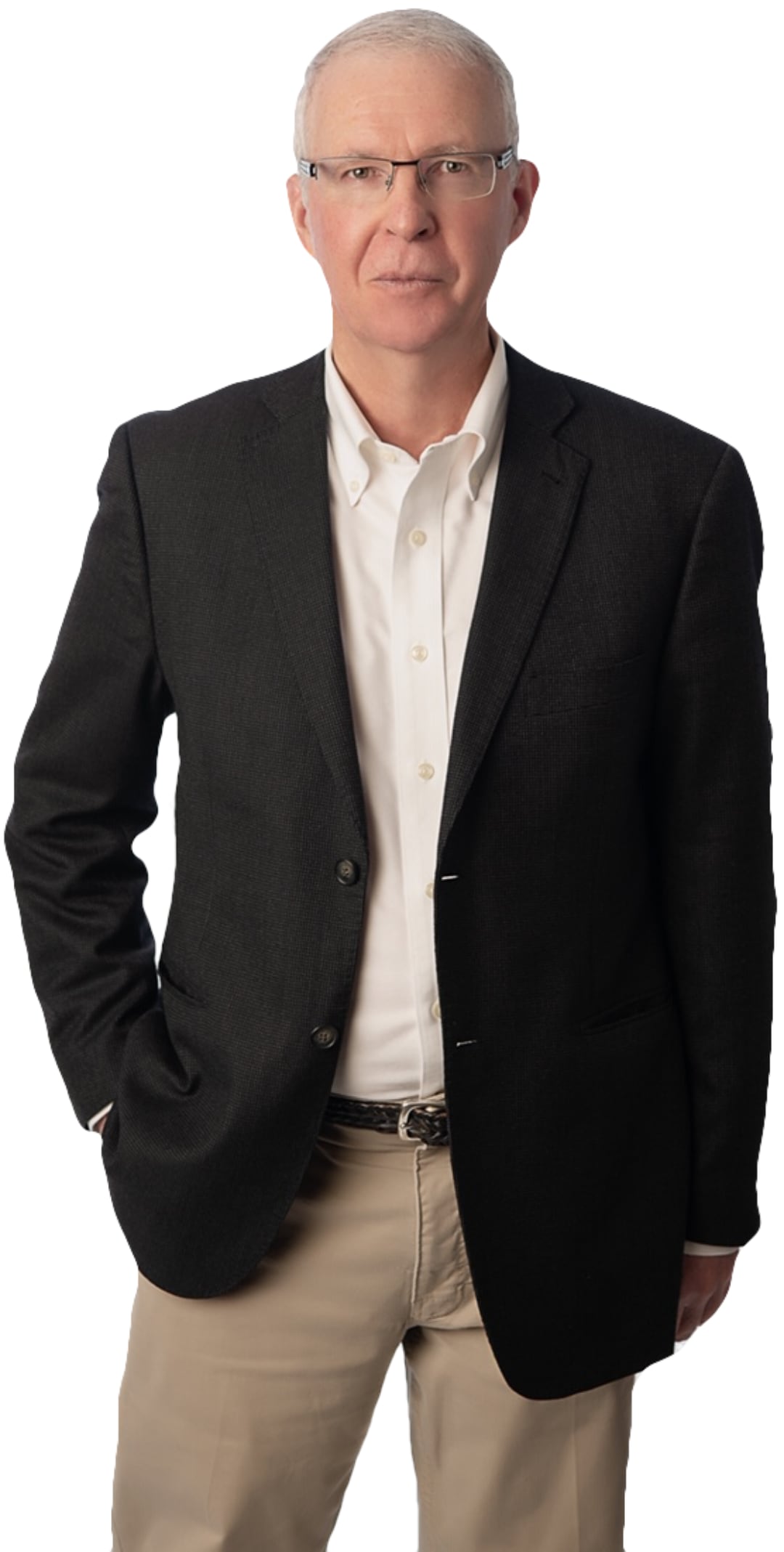
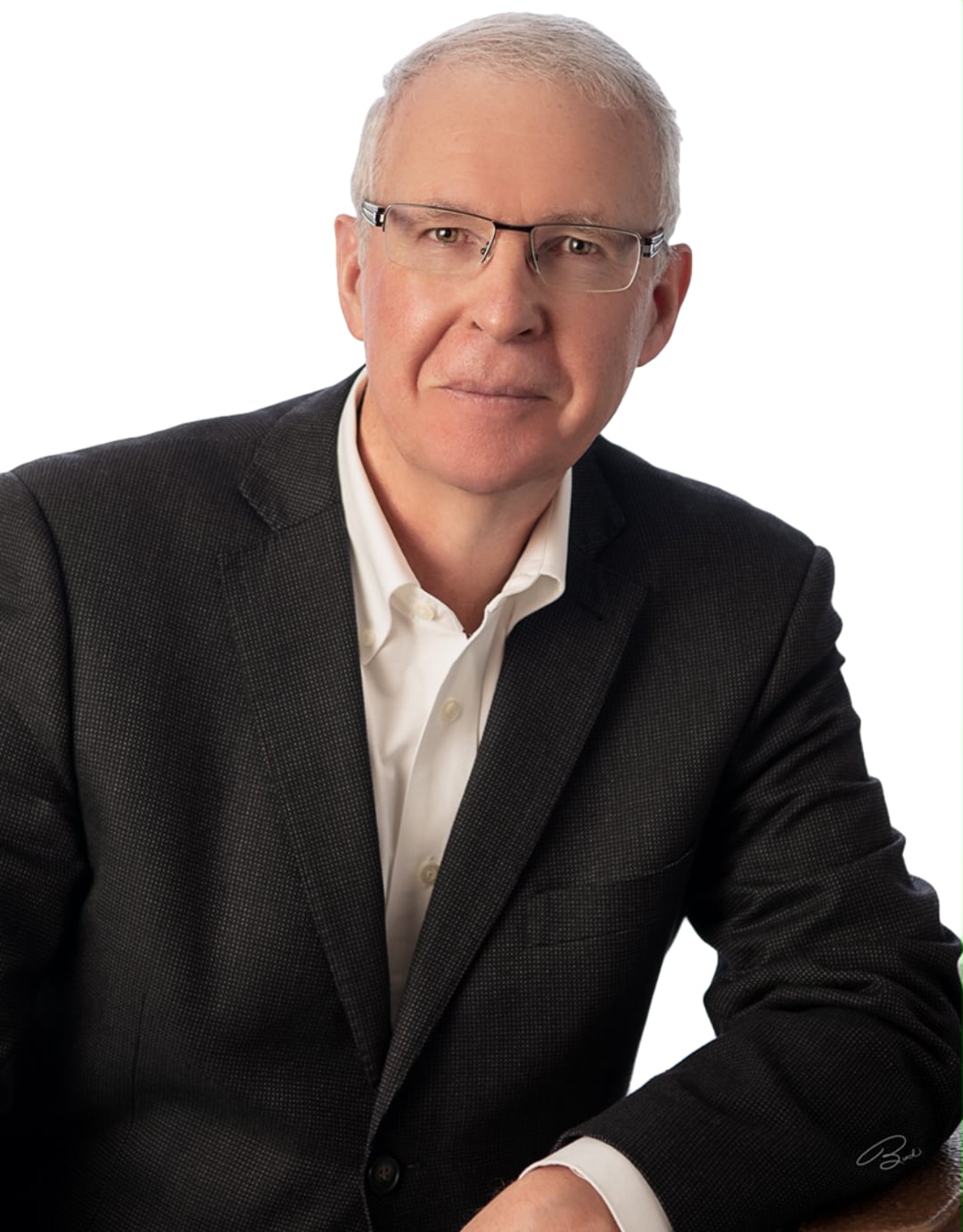
ABOUT DON BACK, PhD MBA
PhD Career Academy
From an early age, All I Wanted To Be Was A Scientist …
Not just someone who studied science. Someone who did it. Somone who pushed at the boundaries of what was known, who spent days in the lab chasing questions that hadn’t been answered yet.
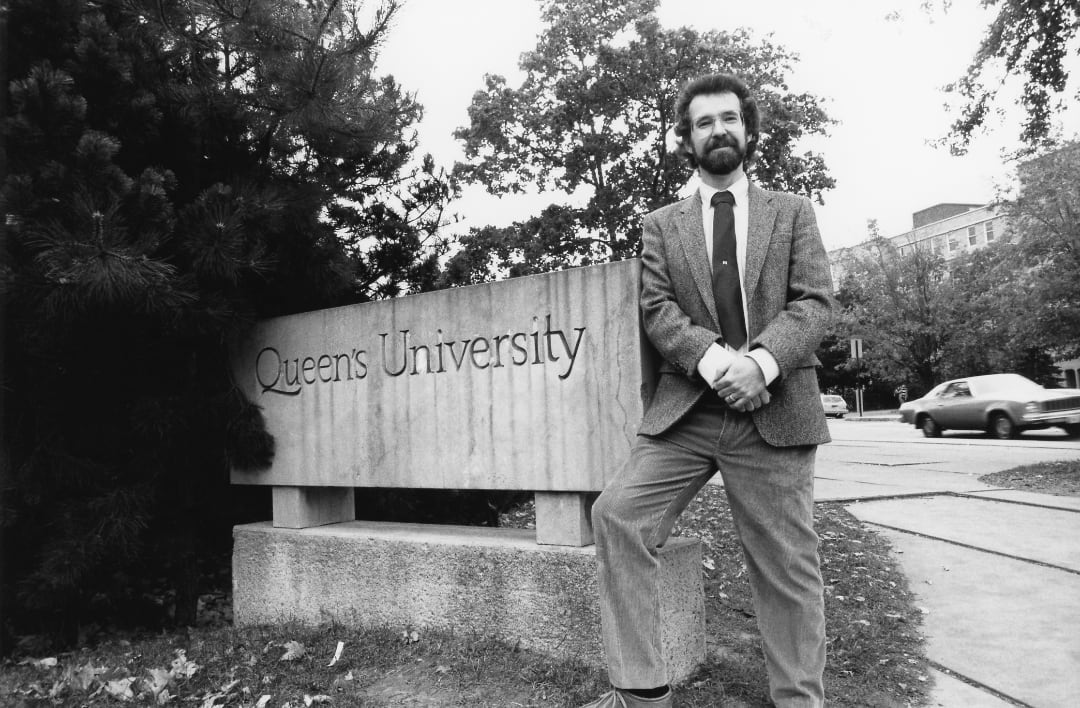
That conviction carried me through a BSc, a PhD, postdoctoral research in the United States, and back to Canada for a faculty position. I was living exactly the life I had planned.
Until two things happened.
The First Disruption
An economic downturn interrupted my pursuit of a national scholarship. I didn’t get it. I reapplied. I won one of very few available in the next competition.
I should have felt relieved. Instead, I felt something I didn’t expect: a question I couldn’t dismiss. Was this the signal to look elsewhere?
The Second Disruption
I stayed. And I discovered that the life of a faculty member is very different from the life of a postdoctoral researcher.
Teaching, chasing grants, administrative work. I love teaching. But the rest of it wasn’t the science life I had imagined. I was almost never in the lab. The work I had spent years training for was not the work I was actually doing.
I wanted out.
The Part Nobody Talks About
What followed was one of the most isolating experiences of my professional life.
My faculty colleagues couldn’t have the conversation with me. Some interpreted my desire to leave as turning my back on academia. Others saw it as failure. A few couldn’t engage at all, because my doubt reflected their own unspoken fears back at them.
I felt like a black sheep. The sense of alienation was genuine, and at times, almost suffocating.
I didn’t have a coach. I didn’t have a framework. I didn’t have anyone who had made the same journey and could tell me what it actually looked like on the other side.
I figured it out anyway. But it was harder than it needed to be.
“People in academia often ask if I miss the science. The truth is that I’ve dealt daily with more science and technology since leaving than I ever did as a faculty member.”
— Don Back
What Came Next – 40 Years at the Intersection of Science and the World
Since 1985, my career has taken me to places I couldn’t have anticipated from inside a faculty office.
-
-
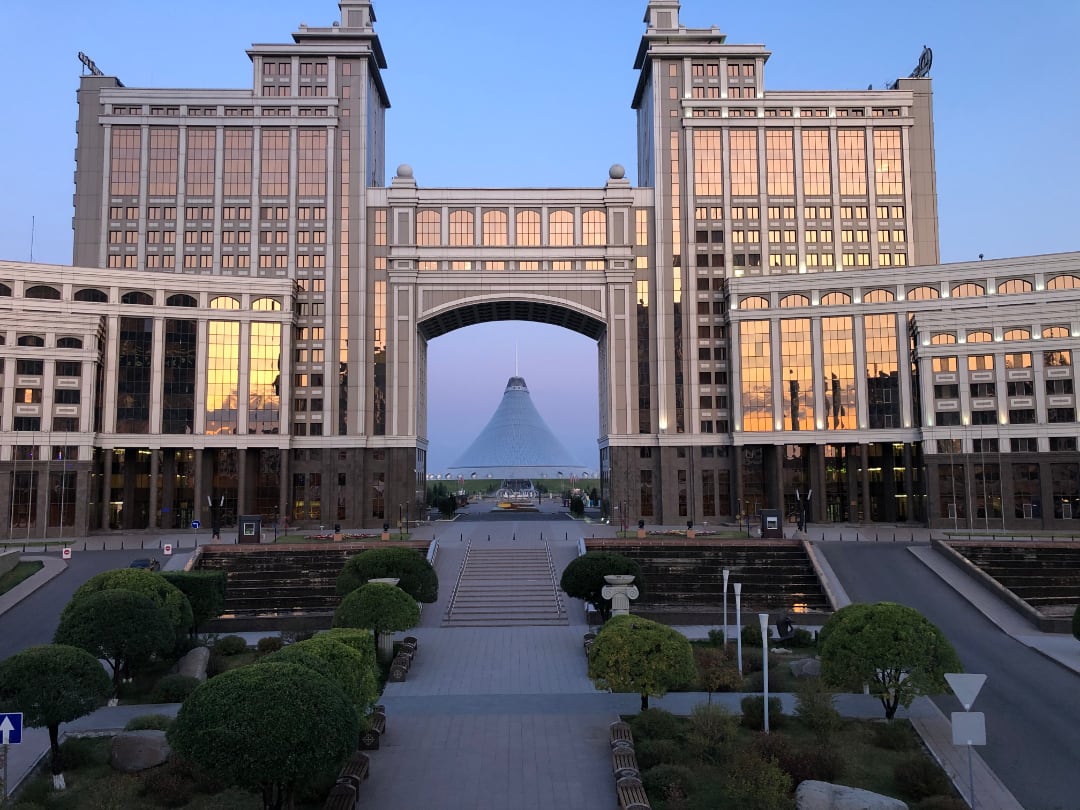
- Managing Director of two venture capital funds – funding and building more than two dozen companies
- Vice President of a large innovation agency, managing research teams and fostering scientific advancement
- Founder of my own company in 2003 – now in its 24th year, having helped fund and build six research centres, optimize cancer clinical trials organizations, and coach early-stage companies through growth
- Built a $5M-initiated Advanced Services and Manufacturing Innovation Centre with four industry partners who contributed an additional $25M into projects spanning automation, logistics, industrial IoT, and advanced sensors
- Built the curriculum for a three-year biotechnology training program
-
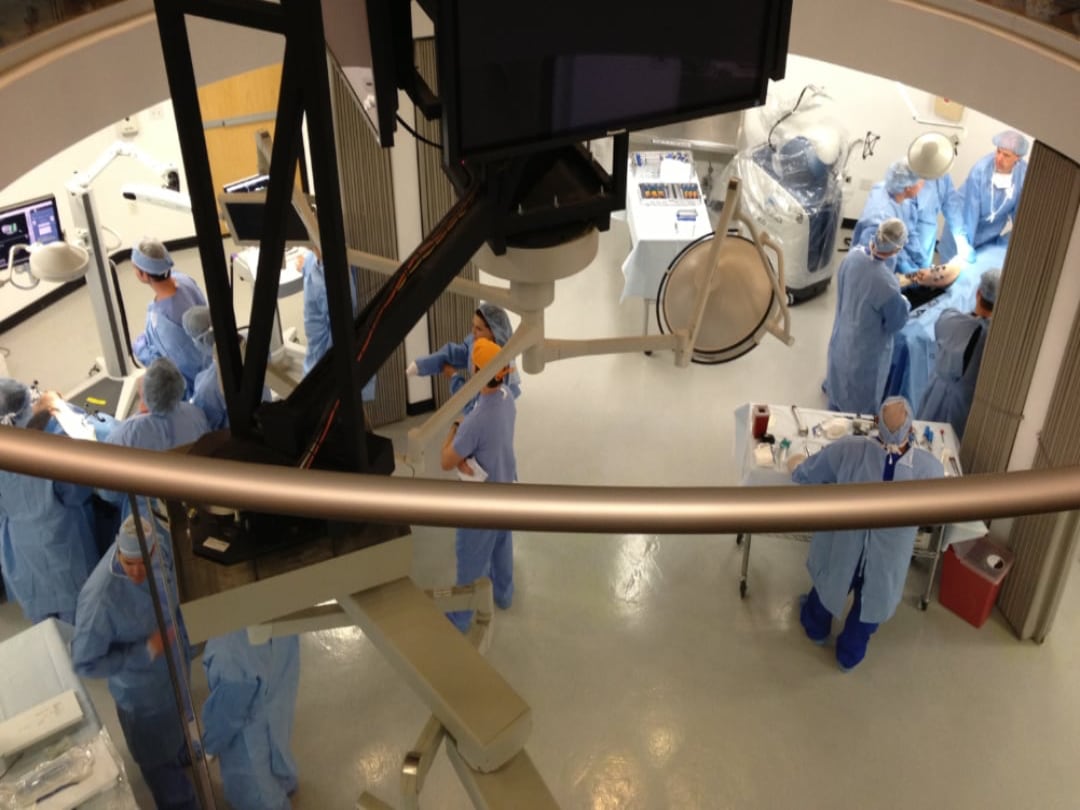
Across all of it, I was working at the interface of science and the world of work – translating the strange jargon of each discipline to the other, building teams, hiring and advancing PhD graduates, and watching patterns repeat.

What I Kept Seeing
The most consistent pattern across four decades wasn’t about industry or sector or discipline.
It was about what happens to exceptionally capable people when they try to move from doctoral training into professional roles outside academia.
They struggled far more than they should have.
Not because they lacked intelligence or capability. Not even because they lacked skills. But because the conditions required for career strategies to actually work (clarity of direction, stability of professional identity, freedom from fear-driven decision-making) were rarely in place before the strategy was introduced.
The tactics were being applied before the foundation existed.
The Outer Game was being played before the Inner Game was resolved.
And when strategies failed under those conditions, the failure was almost always attributed to the individual – not to the sequence.
The Career Decision Canon
Over time, I formalized these recurring patterns into a body of work I call the Career Decision Canon.
The Canon is not a coaching methodology. It is not a self-help framework. It is a set of observed, testable laws that explain why PhD career transitions succeed or fail – laws that hold regardless of discipline, industry, or the individual’s level of effort.
The Career Decision Canon identifies six laws that govern career decision-making under uncertainty. These laws do not prescribe tactics. They explain constraints – and once the constraints are visible, the right strategy becomes clear.
The Nine Foundational Job Search Elements operationalize the Canon into a three-stage architecture. The Career Claimers Index™ provides a quantitative diagnostic for where any individual stands within that architecture.
Together, they form the foundation of everything I do with clients.
On a Personal Note
You can take the scientist out of the lab. You cannot take the lab out of the scientist.
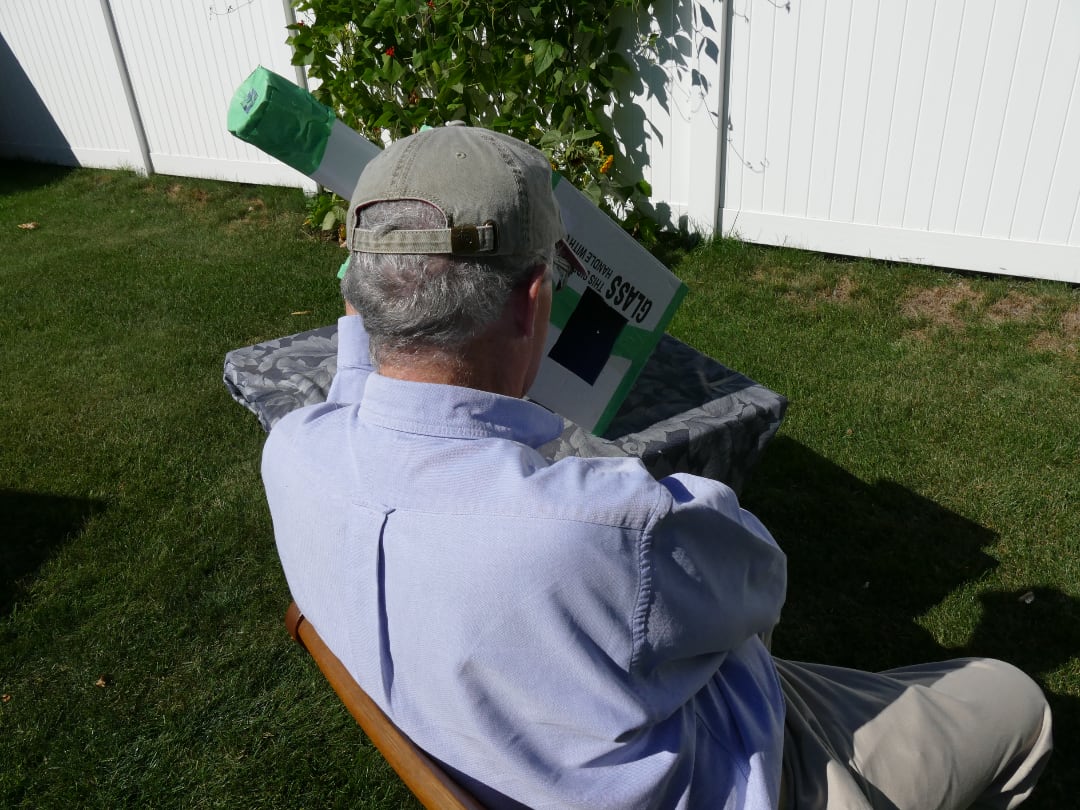
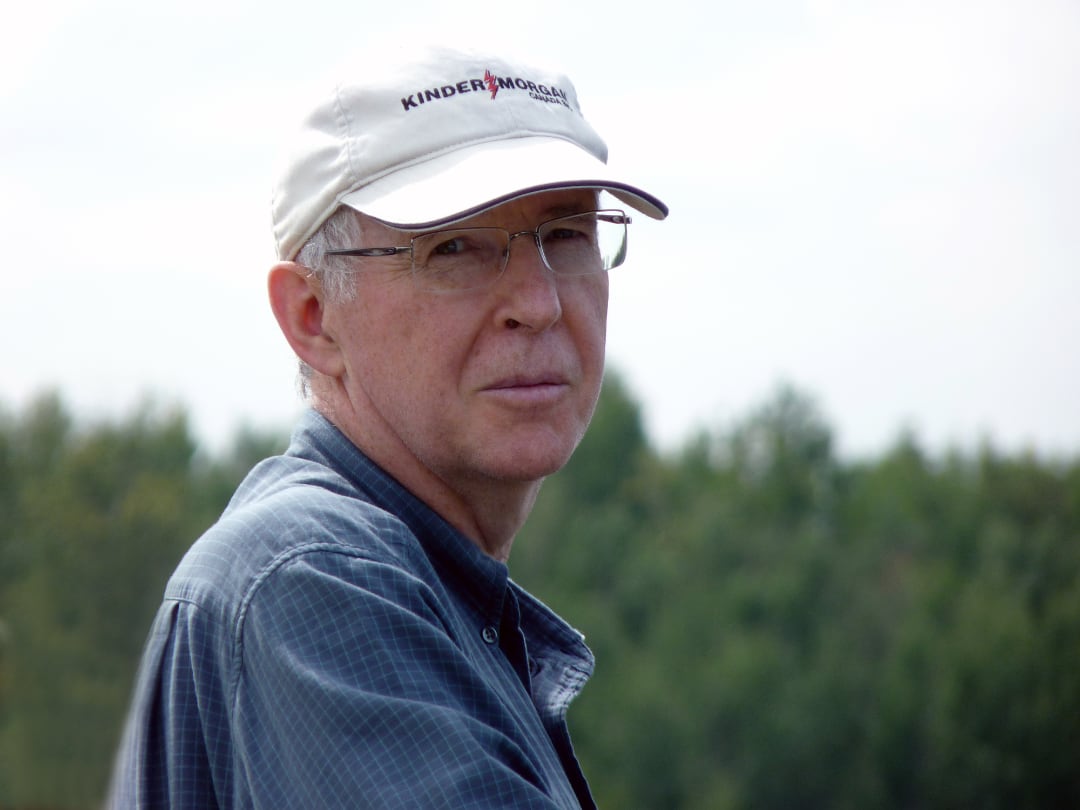
I am an avid naturalist. On any given morning you are likely to find me outdoors before the rest of the world is awake, walking, and photographing coyotes, birds, and other wonders of a world that has never stopped being interesting.
My curiosity about science and nature has never left. It just found more places to go.
What Next?
If you are navigating the transition from academia to industry and what you’ve read here resonates – I’d welcome a conversation.
Not a sales call. Its a strategy – diagnostic conversation about where you are, what’s actually happening, and what changes first.
Book a Free Strategy Call